
Can You Eat Octopus Salad While Pregnant?
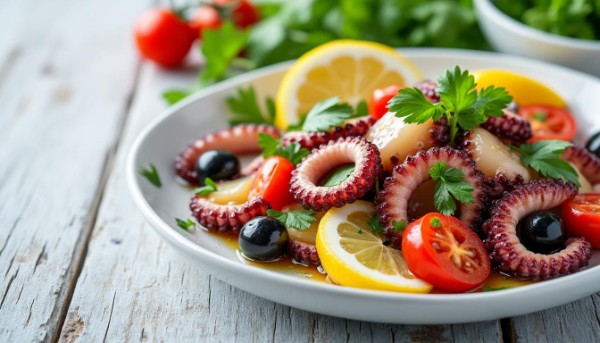
During pregnancy, many foods raise questions, especially those involving seafood. Octopus salad, appreciated for its freshness and Mediterranean flavors, often leads to uncertainty: is it safe for the baby? The risk does not come from the octopus itself, but from how it is prepared, cooked, and stored. Understanding the nutritional benefits of this mollusk while identifying microbiological risks and necessary precautions helps determine whether it can be safely included in a pregnant woman’s diet.
Octopus: a beneficial food during pregnancy?
Nutritional values of octopus
Octopus stands out for its high-quality protein content, essential for the development of maternal and fetal tissues. It also contains iron, iodine, and omega-3, nutrients that are important during pregnancy. Its low fat content makes it an interesting choice for maintaining a balanced diet. For those who enjoy culinary variety, it can be included in light Mediterranean meals. To discover more ideas or utensils suited for these types of dishes, you can visit specialized sites such as https://www.bol-ramen.com/, which offer practical tools for hot or cold recipes.
Specific benefits for pregnant women
When consumed safely, octopus can help prevent deficiencies and support healthy fetal development. Its iodine supports thyroid hormone production, which is crucial for the baby’s nervous system. Iron reduces the risks of fatigue and dizziness linked to anemia. Compared to other seafood, octopus is among the least contaminated by mercury, unlike swordfish or tuna. However, its benefits are only valid if the product is properly cooked and handled to avoid infections.
What risks should be considered?
Risk of listeriosis and toxoplasmosis
Listeriosis and toxoplasmosis are the main concerns associated with cold seafood. When octopus is undercooked, poorly stored, or prepared under unhygienic conditions, bacteria such as Listeria monocytogenes can develop. These are especially dangerous for pregnant women because they can cause serious complications for the fetus. Even though octopus is not a natural carrier of toxoplasmosis, contamination can occur through contact with contaminated utensils or surfaces.
Heavy metals and marine contaminants
Like all marine organisms, octopus may contain traces of mercury, cadmium, or microplastics. Fortunately, this species tends to accumulate less mercury than others. Still, excessive or frequent consumption can increase exposure to these substances. It is therefore recommended to limit intake and avoid weekly consumption. Products from polluted areas or unregulated fishing pose greater risk.
Risks related to salad preparation
The primary danger of octopus salad is not the octopus itself but the fact that it is served cold. After cooking, if the octopus is left too long at room temperature or not quickly cooled, bacteria may grow. Store-bought salads, whether from supermarkets or restaurants, require caution if the preparation date, storage temperature, or equipment hygiene is unknown.
Octopus salad: when is it allowed?
Required conditions to be safe
Octopus salad can be consumed during pregnancy only if certain conditions are met. The octopus must be thoroughly cooked, rapidly cooled, and stored in a refrigerator below 4°C. It must be prepared within the last 24 hours. If these requirements are met, the risk of contamination is very low.
Situations to absolutely avoid
Avoid any salad containing raw or cold-marinated octopus, such as carpaccio or ceviche. Salads sold in markets, street food stands, or places where cold-chain storage is uncertain are high-risk. Vacuum-packed products past their expiration date should also be avoided.
Can it be eaten at restaurants or supermarkets?
At restaurants, ask about preparation date and cooking method before ordering. In supermarkets, check labeling, expiration date, and visual appearance. If unsure, it is better to abstain. Caution is the best protection during pregnancy.
Tips for eating octopus salad safely
How to choose safe octopus
Choose fresh octopus from controlled sources with clear traceability. In fish markets, ensure that it has a neutral smell and that the flesh is neither slimy nor discolored. Avoid products from uncertified artisanal fishing or potentially polluted areas. When buying from caterers, ask for the preparation date.
Safe homemade preparation
If preparing the salad yourself, cook the octopus long enough so the flesh is tender and fully cooked. Cool it immediately after cooking by placing it in the refrigerator. Then add other ingredients (olive oil, lemon, herbs) under hygienic conditions. The salad must be eaten within 24 hours.
Recommended portions and frequency
Octopus salad can be eaten occasionally, one to two times per month, as part of a balanced meal. It is best paired with vegetables, starches, or fiber sources for better nutrition. Moderate consumption limits contaminant exposure while allowing nutritional benefits.
Alternatives for safe enjoyment
Other allowed seafood when well cooked
Alternatives such as shrimp, well-cooked mussels, squid, or cod can replace octopus in cold salads, provided they were properly cooked and cooled. These foods also provide valuable nutrients.
Substitute recipes with cooked fish
You can opt for a cod salad, poached salmon served cold, or grilled octopus served hot. These reduce risks linked to cold preparations and add variety.
When is it better to abstain completely?
If there is any doubt about freshness, hygiene, or if the immune system is weakened, it is better to avoid. In the case of frequent nausea or altered taste, waiting may be more suitable.
Summary
Octopus salad can be eaten during pregnancy under strict precautions: thorough cooking, rapid cooling, proper refrigeration, and quick consumption. Octopus provides useful nutrients like protein, iodine, and iron while being low in fat. However, vigilance is required due to risks of listeriosis, contamination, and storage issues. When these rules are followed, enjoying octopus salad while protecting mother and baby is entirely possible.
Published on 03-11-2025